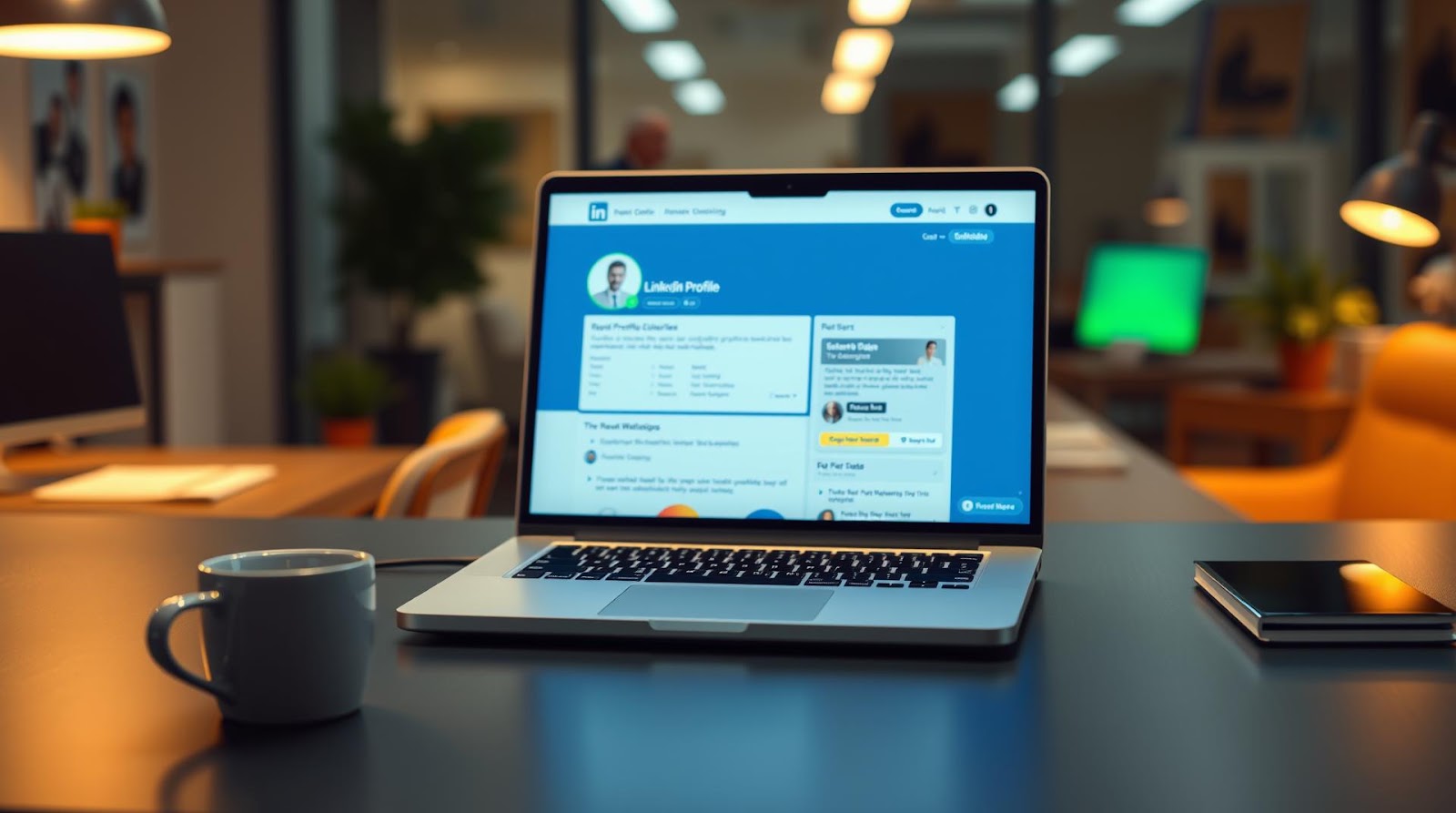
Last year, my LinkedIn profile was basically a digital graveyard. I'd log in once a month, scroll through some career advice posts I didn't really need, and leave. My profile? A generic photo, a bland headline, and a job description copy-pasted from my resume.
Then something clicked. I realized I was treating LinkedIn like a necessary evil instead of what it actually is—a personal marketing tool that, when done right, can open doors you didn't even know existed.
Fast forward three months after I started taking this seriously: 500+ profile views, dozens of genuine connection requests from people in my industry, three freelance opportunities, and one conversation that eventually led to a consulting gig. And here's the weird part—I wasn't doing anything groundbreaking. I just stopped doing the things that were actively hurting me.
Let me walk you through exactly what changed.
Your Headline Is Not Your Job Title
This was my biggest mistake. My headline read: "Data Analyst at XYZ Company."
Riveting, right? Wrong.
Your headline is the first thing someone sees after your name and photo. It's your pitch. It's the reason someone clicks "view profile" or scrolls past. And if it's just your job title with your company name, you're wasting prime real estate.
Here's what I changed it to: "Data Analyst | Personal Finance Content Creator | Helping Indian Millennials Build Wealth."
Notice the difference? The second one actually tells you what I do, who I serve, and why you should care. It's specific. It's magnetic. It says "I have opinions about this stuff, and I know what I'm talking about."
Why Your Current Headline Isn't Working
LinkedIn's algorithm favors profiles that get interactions—clicks, comments, connection requests. When your headline is generic, you get generic visibility. When it's specific and interesting, the algorithm notices. More people click. More people engage. More people see you in their feed.
The second thing? Recruiter searches. If someone's hunting for a "Data Analyst in Mumbai who understands content strategy," my new headline makes me findable. The old one? I'd be lost in thousands of identical results.
How to Write One That Actually Works
Here's a simple formula I use:
[Your Role/Expertise] | [What You Do/Create] | [Who You Help/What Problem You Solve]
Examples for Indian professionals:
- Product Manager at FinTech startup | Building Products for 500M+ Indians | UX Obsessed
- Marketing Manager | B2B SaaS Growth | Helping Startups Hit ₹1 Crore ARR
- Backend Engineer | Open Source Contributor | Making Scalable Systems for India's Internet Economy
- HR Business Partner | Talent Strategy | Building Teams That Don't Quit
See? Each one tells a story. Each one makes you want to know more about the person.
Your Photo Is Making or Breaking You (And You Probably Don't Realize)
I'm going to be brutally honest here because I owed someone this honesty a year ago: if your LinkedIn photo looks like it was taken in 2014 at your cousin's wedding, it's time for a change.
Your photo is the second thing people notice (after your headline). It's your credibility. It's the reason someone thinks "this person looks legit" or "this person looks like they're not serious about their career."
And honestly? Most Indian professionals get this wrong.
What Actually Works
Good news: you don't need to hire a professional photographer or spend ₹10,000 at some fancy studio. You just need three things:
1. Good lighting. Natural light, preferably near a window. Harsh overhead lights make everyone look tired and washed out. I took mine in the evening, standing near my balcony. Cost: zero rupees.
2. A clean background. Your bedroom wall, a plain office background, or even a blurred background works. Don't make it about the background. Make it about your face.
3. A genuine expression. Not a plastic corporate smile. A real one. The kind you'd have in a coffee meeting. You want people to feel like they know you before they read a single word on your profile.
I got mine taken by a friend with an iPhone 13. It cost me coffee and snacks. It got 80% more profile clicks than my previous photo.
Pro Move: The Banner Image
Most people don't even touch the banner image that sits behind their photo. That's your second chance to make an impression.
Mine reads: "Building financial literacy for Indian millennials | 📊 Data 💰 Personal Finance 📱 Tech" with a clean, minimal background.
It reinforces who I am and what I care about in one glance. It takes 10 minutes to design on Canva (free) and makes your profile look intentional instead of neglected.
Your About Section Is Where You Actually Connect
Here's the thing about LinkedIn "About" sections: most people write them like they're writing a resume summary. Corporate jargon. Passive voice. Boring.
Mine used to be exactly that. Then I rewrote it like I was talking to a friend, and everything changed.
Instead of: "Results-driven data professional with 5+ years of experience in analytics, skilled in SQL, Python, and data visualization tools..."
I wrote: "I spent three years buried in spreadsheets before I realized something: most people don't need better data. They need data explained in a way that actually makes sense. That's what I do—I take complex information and break it down for Indian professionals trying to figure out money, careers, and all the chaos in between."
The second version? Got me conversations. Genuine ones. With people who felt like I understood them.
The Structure That Works
Write your About section in three parts:
Part 1 (The Hook): Start with something real. A problem you solve. A journey you went on. Something that makes people lean in. My hook was "I spent three years buried in spreadsheets..."
Part 2 (What You Actually Do): Now tell them specifically what you do and who you help. This is where you mention your work, your content, your projects. But frame it around value, not tasks.
Part 3 (The Invitation): End with something that invites engagement. "Let's connect if you're building something in fintech." "Open to conversations about career switching." "Always happy to discuss marketing strategies for Indian startups."
Add Keywords That Matter
This is subtle but powerful. If you work with Zerodha, CRED, or PhonePe—mention it. If you're skilled in specific tools or frameworks that people search for—drop them in naturally. LinkedIn's algorithm (and recruiters' searches) look for these keywords. You want to be findable for the things you actually do.
The Game Changer: Actually Using Your Profile
Here's what I learned: your LinkedIn profile is only as good as your activity. You can have the perfect photo, the perfect headline, the perfect about section. But if you're not posting, commenting, or engaging, you're basically invisible.
And honestly? That's where most people give up. They optimize their profile once and then wonder why nothing changes.
Post Something Real Every Two Weeks
Not sales pitches. Not motivational quotes that could apply to anyone. Real things. Things that matter to you.
My posts are usually:
- Lessons I learned from a project (usually with numbers, because I'm a data person)
- Things I was wrong about and why I changed my mind
- Observations about money, work, or the internet that made me think
- Wins, losses, and what I learned from both
When you post real things, real people engage. And when real people engage with your posts, your profile gets shown to more people. Simple math.
My best performing post got 3,000+ impressions. It wasn't polished. It was me admitting that I'd been wrong about something and explaining what changed my mind. People responded because it felt honest.
Comment Like You Mean It
Spend 10 minutes a day commenting on posts from people in your industry. Not generic "Great post! 👍" comments. Real comments. Comments that add something.
When you comment thoughtfully, the post author notices. Their audience notices. Their network starts seeing your name. You become visible to people you never would have met otherwise.
I connected with three people this way who eventually became friends and collaborators. We started with thoughtful comments on each other's posts.
The Profile Optimization Checklist
| Profile Element | What Most People Do | What Actually Works |
|---|---|---|
| Headline | Copy job title + company | Specific expertise + audience + outcome |
| Photo | Blurry or 5-year-old corporate headshot | Clear, natural light, genuine smile, professional casual |
| Banner | LinkedIn's default blue background | Custom design that reflects your brand (Canva: 5 min) |
| About Section | Corporate summary + jargon | Personal story + what you solve + invitation to engage |
| Experience | Job description copy-paste | Results, metrics, what you actually learned |
| Activity | Silent lurker; no posts or engagement | Bi-weekly posts + thoughtful comments on others' content |
Final Thoughts
Here's what I want you to know: LinkedIn works. Not because it's magic. But because most people are lazy about it. They treat their profile like a requirement and wonder why nothing happens.
When you actually put thought into how you present yourself—when you're clear about who you are and specific about what you offer—people notice. Opportunities show up. Conversations start. Things happen.
The three months I spent optimizing my profile weren't about gaming the algorithm or becoming an influencer. They were about being honest, being specific, and being consistent. About treating my profile like it mattered because, well, it does.
You don't need to reinvent yourself. You don't need to suddenly become someone you're not. You just need to be clearer about who you actually are and what you actually care about. That's magnetic. That's what gets you noticed.
So pick one thing from this post—your headline, your photo, your about section—and change it this week. Then come back in a month and tell me what changed. I bet you'll be surprised.
Written by Dattatray Dagale • 17 May 2026




.png)
.gif)


0 Comments