Last year, I met a friend who'd just gotten a ₹15 lakh job offer. He was thrilled. Genuinely excited. Then I asked him one simple question: "Do you know which tax slab you'll fall into?"
Blank stare.
He assumed he'd pay tax on the entire ₹15 lakh. Didn't know about slabs. Didn't know about deductions. Didn't know he could actually keep more money just by understanding how the system works. And honestly? This is the story of most people I know.
Here's the thing — income tax slabs aren't some mysterious tax department conspiracy. They're actually designed to be fair. Progressive, even. But nobody explains them in a way that makes sense. So let me be straight with you: understanding tax slabs is the difference between feeling like you're losing half your income and actually knowing exactly where your money goes.
Let's fix this.
The Slab System Is Actually Your Friend (Yes, Really)
India uses a progressive tax system. This means the more you earn, the higher percentage you pay. But here's what most people get wrong: you don't pay that higher percentage on your entire income.
You pay it only on the income that falls within that slab.
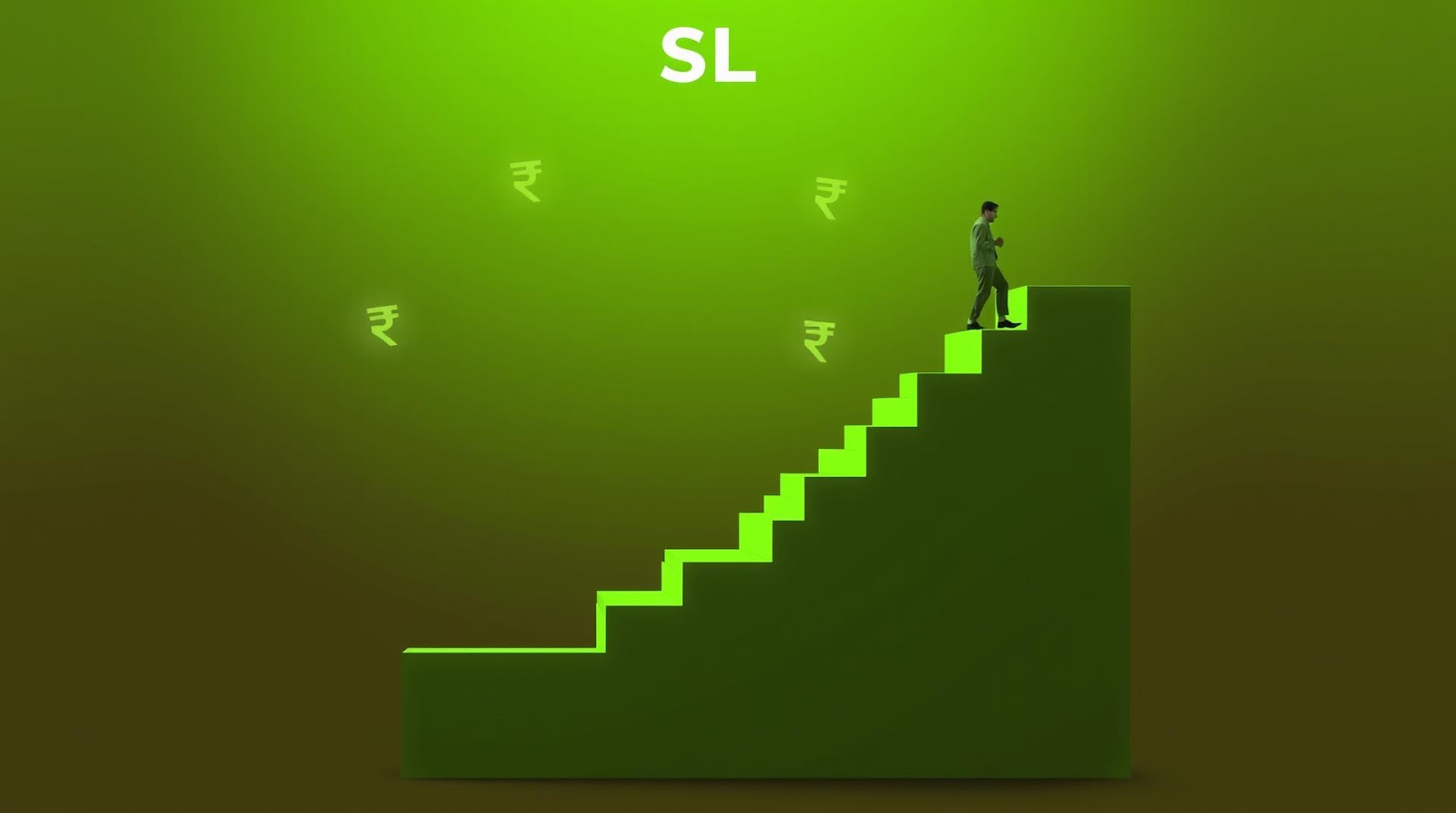
Think of it like a staircase. Each step costs a bit more, but you only pay for the steps you actually climb. Let me show you what I mean.
How the Slab Staircase Works
For the financial year 2024-25 (under the new tax regime, which most of us use now), here's what the slabs look like:
| Income Slab | Tax Rate |
|---|---|
| Up to ₹3 lakh | Nil (0%) |
| ₹3 lakh to ₹7 lakh | 5% |
| ₹7 lakh to ₹10 lakh | 10% |
| ₹10 lakh to ₹12.5 lakh | 15% |
| ₹12.5 lakh to ₹15 lakh | 20% |
| Above ₹15 lakh | 30% |
Now let me do the math on that ₹15 lakh salary example from earlier.
Income: ₹15,00,000
Tax calculation:
- First ₹3 lakh: ₹0 (no tax)
- ₹3 to ₹7 lakh (₹4 lakh): ₹4,00,000 × 5% = ₹20,000
- ₹7 to ₹10 lakh (₹3 lakh): ₹3,00,000 × 10% = ₹30,000
- ₹10 to ₹12.5 lakh (₹2.5 lakh): ₹2,50,000 × 15% = ₹37,500
- ₹12.5 to ₹15 lakh (₹2.5 lakh): ₹2,50,000 × 20% = ₹50,000
Total tax: ₹1,37,500
That's roughly 9.17% of total income. Not the 30% he thought.
See the difference? The slab system means you're not paying 30% on everything. You're only paying that higher rate on the income that's actually in that bracket.
Old Regime vs New Regime (The Choice That Matters)
Here's where it gets interesting. India actually has two tax regimes, and your choice between them can save you thousands every year.
New Regime (default since 2023): Lower tax rates (like the table above), but you can't claim most deductions. No medical insurance deduction, no home loan interest, no Section 80C benefits (that ₹1.5 lakh yearly limit on investments).
Old Regime: Higher tax rates initially, but you can deduct tons of things. So if you're smart about deductions, you often end up paying less.
Which is better? Depends on your life. If you're investing heavily in your PF (which counts toward 80C), or you have a home loan, or you're paying for health insurance — the old regime might save you money. If you're younger and don't have these expenses yet? New regime is cleaner.
And honestly? Most people should calculate both at tax time and see what sticks. Apps like Cleartax do this automatically now.
Deductions: Where the Real Game Happens
Here's what surprised me about taxes: the government doesn't want to take all your money. It has incentives. It wants you to save, invest, and buy homes. So it lets you reduce your taxable income through deductions.
This is where understanding tax slabs becomes a strategy game.
The Big Deductions You Actually Use
Section 80C (₹1.5 lakh limit): This is the heavyweight. Includes your EPF contributions, life insurance premiums, tuition fees for kids, and certain fixed deposits. If you're maxing out your EPF (usually ₹50,000 yearly) + investing ₹1 lakh in insurance/mutual funds, you're covering this limit entirely.
Section 80D (health insurance): Up to ₹25,000 for yourself + spouse, ₹50,000 if you're over 60. Never miss this if you're paying for a Niva Bupa or Apollo health insurance plan.
Home Loan Interest (Section 24): Up to ₹2 lakh yearly. This is massive for homeowners. I know someone who brought their taxable income down by ₹40 lakh over 10 years just through this deduction.
Rent Paid (Section 80GG): If you're renting and not claiming HRA, you can deduct up to ₹60,000 yearly. The amount varies by city and your salary. Check the rules — many people miss this.
Here's the thing most people don't realize: these deductions directly reduce your taxable income. So if you earn ₹12 lakh and claim ₹2 lakh in deductions, you're only taxed on ₹10 lakh. That moves you down an entire slab bracket sometimes.
The Deduction Math (Real Example)
Let's say you earn ₹12 lakh (falls in the 15% slab in new regime). You've been lazy and took no deductions.
Tax: roughly ₹1,30,000.
Now, let's say you invest in a term insurance policy for ₹50,000 (80C deduction). Your taxable income: ₹11.5 lakh. Tax: roughly ₹1,20,000. You saved ₹10,000 just by doing one thing. And you also got ₹1 crore life cover. That's not just smart tax planning; that's smart life planning.
And if you add health insurance (80D) for ₹15,000? That's another ₹2,250 saved. Small numbers that compound.
Slabs Change. Your Strategy Shouldn't (Mostly)
One thing that trips people up: tax slabs change every year. Sometimes rates drop, sometimes limits increase. Sometimes new rules appear out of nowhere.
But here's what doesn't change: the principle. You're always trying to maximize deductions and optimize which regime works for you.
I used to manually track all this in a spreadsheet (very me, I know). Now I just use Cleartax's tax calculator or check the Income Tax Department's own resources before filing. Takes 15 minutes, saves me thousands.
Apps like CRED and PhonePe now have built-in tax calculators too. They're pretty good. Not perfect, but good enough for a quick estimate.
One More Thing: Corporate Bonus Season Is a Slab Game
This one surprised me. If you're expecting a big bonus in March (like most corporate folks), you might jump into a higher slab. A ₹50,000 bonus might suddenly make you taxable at 20% instead of 15%.
This is why some smart people structure it: they ask for the bonus spread across Feb-March instead of a lump sum in March. Technically the same money, but it might keep you in a lower slab.
Is this tax evasion? Absolutely not. It's tax optimization. Legal, smart, encouraged even.
Final Thoughts
I used to think taxes were something that happened to me — a system I couldn't understand or change. Then I spent a weekend understanding slabs, deductions, and regimes. Suddenly, I saved ₹40,000 that year. Not through some loophole. Through understanding how the system actually works.
That's what tax knowledge is. Not cheating. Understanding.
So here's what I want you to do: don't just file your return on July 30th in a panic. Sit down in June, calculate both regimes, list your deductions, and see where you stand. Spend 30 minutes now to save thousands later.
And if you're earning less than ₹3 lakh? You're not paying any tax. That's beautiful. But also invest something into the future anyway. Your 25-year-old self will thank your 35-year-old self.
Questions? Thoughts? Hit me up on Twitter or drop a comment. I genuinely love talking about this stuff — not because I'm a tax nerd (okay, partly), but because it matters. Your money matters.
Written by Dattatray Dagale • 28 April 2026





.png)
.png)


0 Comments